General information. NSW Climate and Energy Action and your electricity network are the official places to check. Always call triple zero (000) in a heat-related medical emergency.
Safety comes first
NSW Climate and Energy Action is plain about the order: “You should always prioritise your safety by staying cool. If you can’t safely reduce the amount of energy you need to stay cool, don’t attempt to.”
And: “Always call Triple Zero (000) if you or others around you experience any heat-related medical emergency.”
Why the late afternoon matters
NSW Climate and Energy Action singles out 3 pm to 8 pm AEDT as the hours when demand is high. It says every action, small or big, helps keep the grid stable, which matters most in that window.
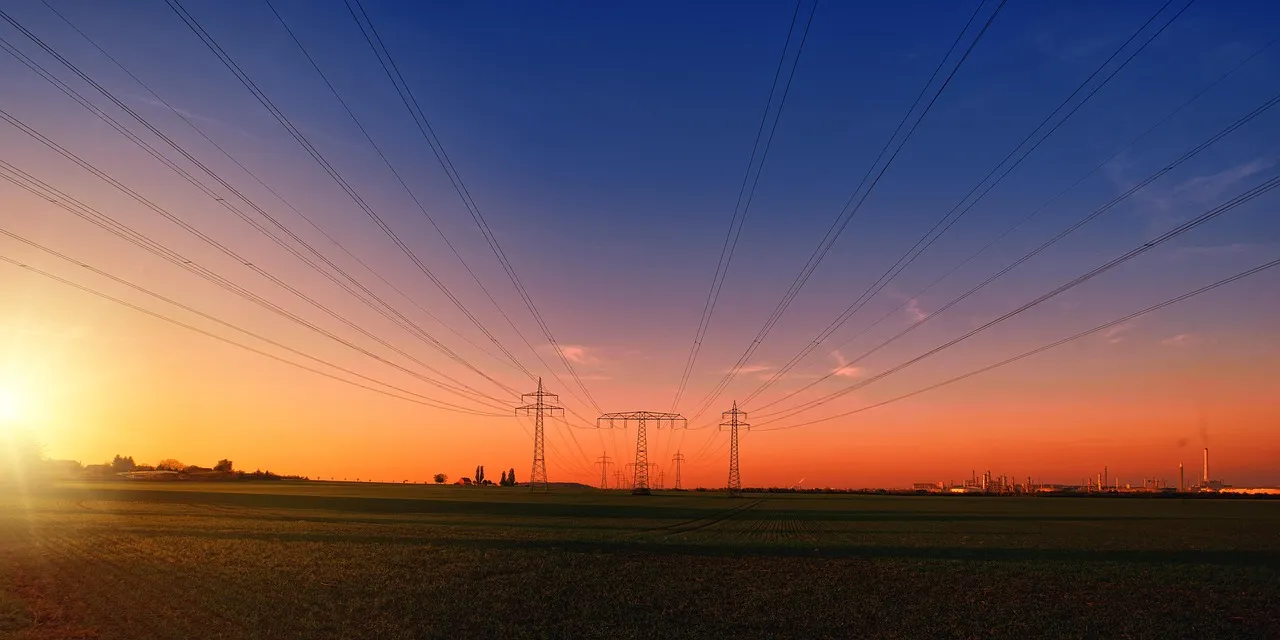
Essential Energy, one of the companies whose distribution network carries power in NSW, describes what happens behind the scenes. It works with the Australian Energy Market Operator, AEMO, and with Transgrid, which runs the main high-voltage transmission network in the state. During heatwaves AEMO can give directions to generators and network operators to balance supply and demand, and in extreme conditions daytime access to off-peak power may be taken away, then restored in the evening when demand falls. As a last resort, Essential Energy says, this can mean short outages for its customers, intended to prevent longer ones across large parts of the network.
Cooling with less power, where it is safe
These are NSW Climate and Energy Action’s suggestions, in brief, for staying cool while using less electricity.
Keeping cool
- Turn on fans before the air conditioner.
- Set the air conditioner between 24 and 26 degrees.
- Cool only the parts of the house you will spend most time in, which it calls zoning your home.
- Close curtains, or think about external shading, where the sun hits a window.
- Keep doors and windows shut during the day, and seal gaps where hot air gets in; open them at night for the cool breeze.
Appliances
- Switch off and unplug appliances you aren’t using, and turn off lights in empty rooms.
- Use the microwave or air fryer rather than the oven, which heats the house.
- If you can, hold off on the pool pump, washing machine, dryer and dishwasher, and on charging an electric vehicle.
- Dry the washing on a clothesline instead of in the dryer.
Essential Energy’s own list adds one more: keep the fridge at five degrees and open its door as little as you can. It also notes that switching off lights and appliances stops them adding heat.
When the power goes out in the heat
NSW Health warns that extreme heat and heatwaves can cause power outages that affect your air conditioning or electric fan. Your local energy distributor has information on current and planned outages in your area.
Essential Energy says that during heatwaves its regional teams weigh local conditions and look at each planned outage to see whether it can be shortened or moved to another time. If you are elderly, have young children, or depend on a steady power supply for your health, it asks you to plan other arrangements in case an outage happens.
NSW Health’s advice for a power failure is to note the time the power went off and keep the fridge and freezer doors closed as much as you can, because some foods and medicines may become unsafe. A torch, a radio with batteries, and a first-aid kit are useful to have on hand. Its full plan is in the guide to preparing a home for summer.
Heat and the powerlines themselves
Essential Energy explains that in hot conditions the metal wires of a powerline lengthen slightly and hang closer to the ground, and that on a long line a few centimetres can change the clearance for vehicles and machinery. Its advice is to look up and check the height of powerlines before passing under them.
A fallen powerline is outside this guide. If you see one, follow the fallen powerline advice of the electricity network that supplies your area.
For who is most at risk when the heat arrives, see heat and health in NSW.
When you choose a new system, NSW Climate and Energy Action suggests features such as a thermostat, a timer and eco or fan-only modes, which help you control comfort and save more. Under the NSW air conditioner upgrade incentive, the licensed technician who installs a new system will also show you how to use it.